Our Airport's Rich History
A Brief History
From grass strip at the dawn of aviation to 90,000 flight operations a year.
Our 1929 Beginnings
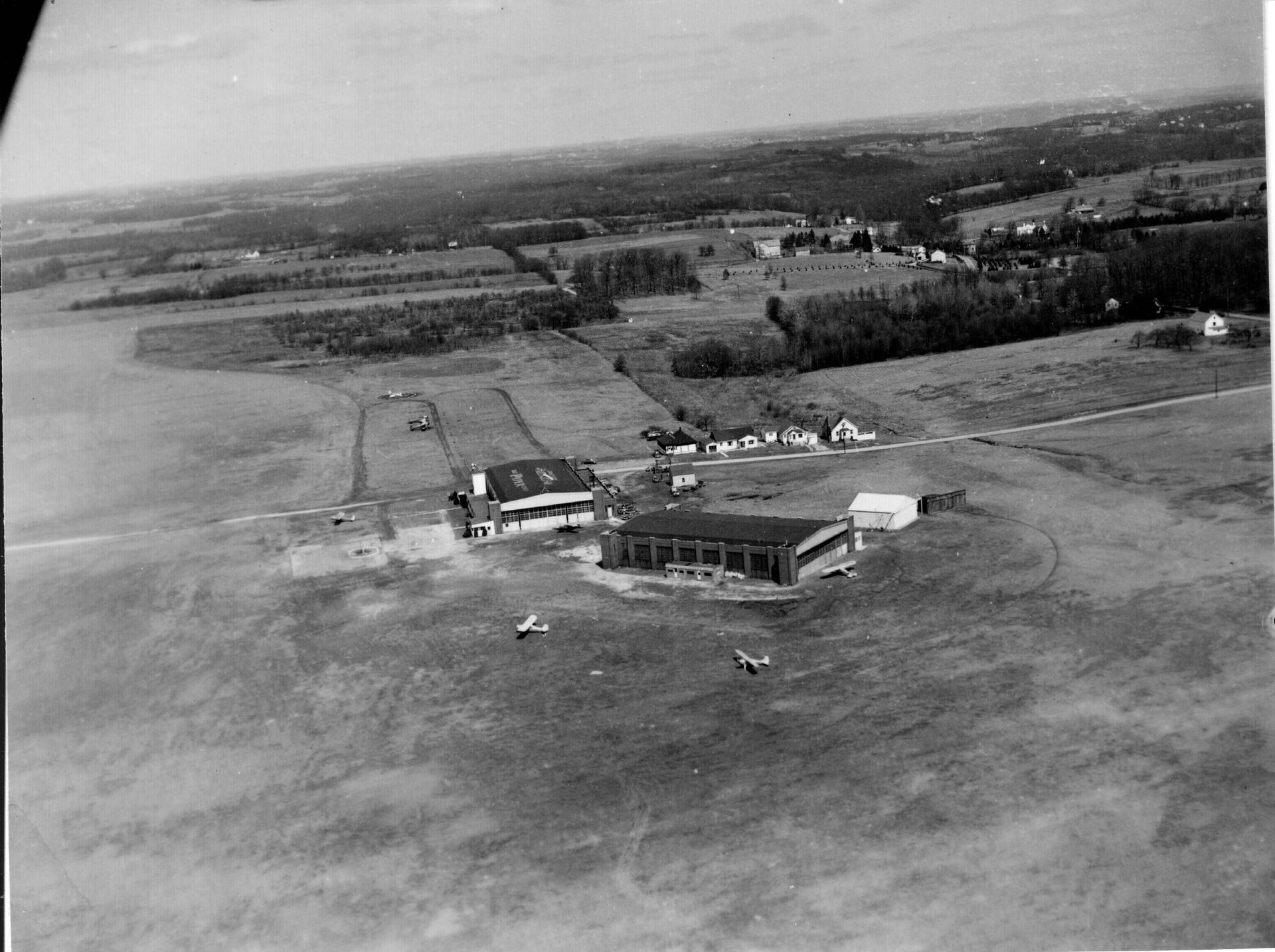
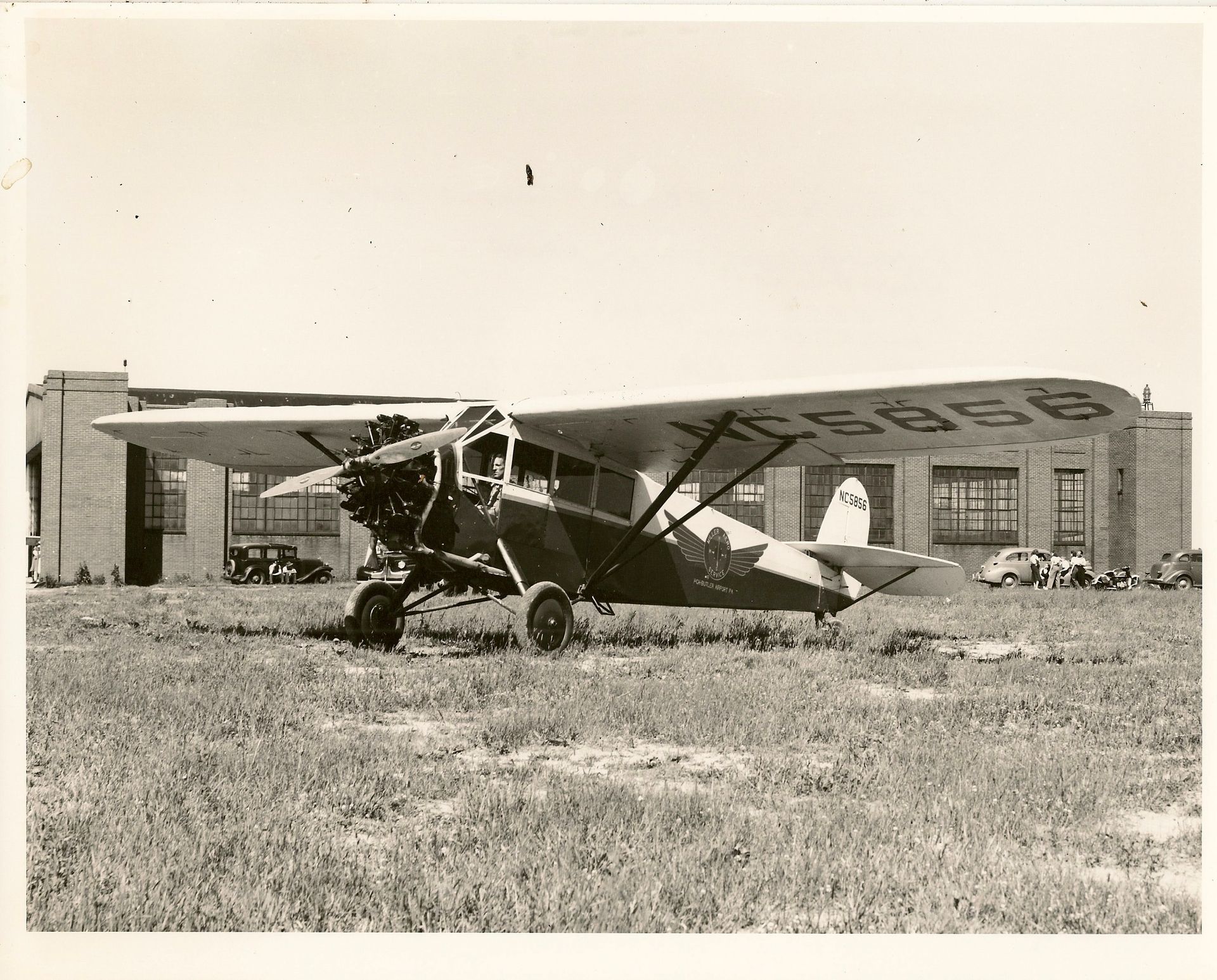
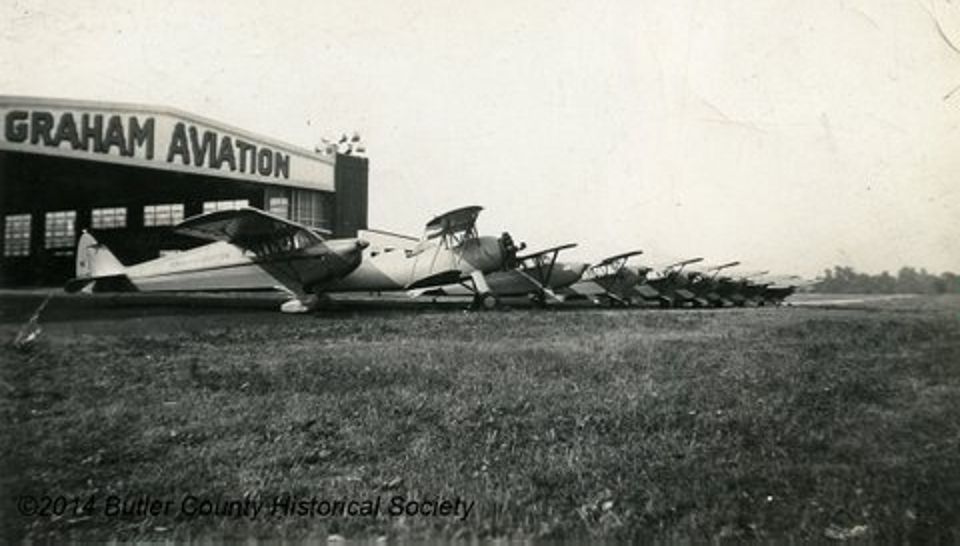
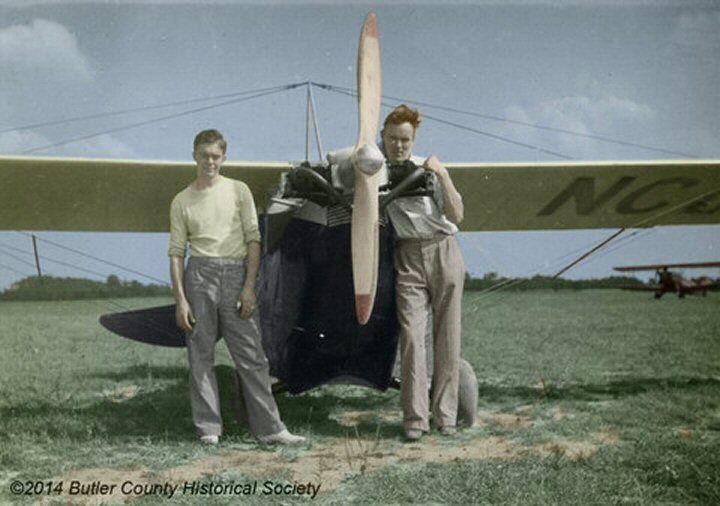
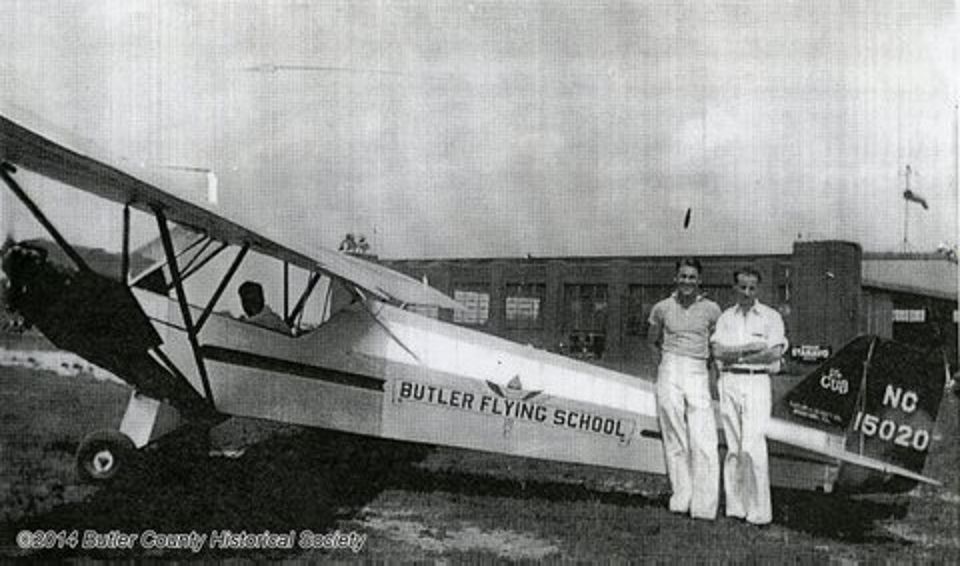
What is now known as the Pittsburgh-Butler Regional Airport, IATA code BTP, was first established as Graham Field, in 1929, and was owned by Mr. William J. Graham. Its location was characterized as having a clear approach, flat layout, and easy access to and from larger Pennsylvania cities. Pittsburgh was avoided at that time because the air was so befouled with smoke and soot from its industries. Many aviation pioneers, including Charles Lindbergh and Amelia Earhart visiting, trained, or kept their aircraft here.
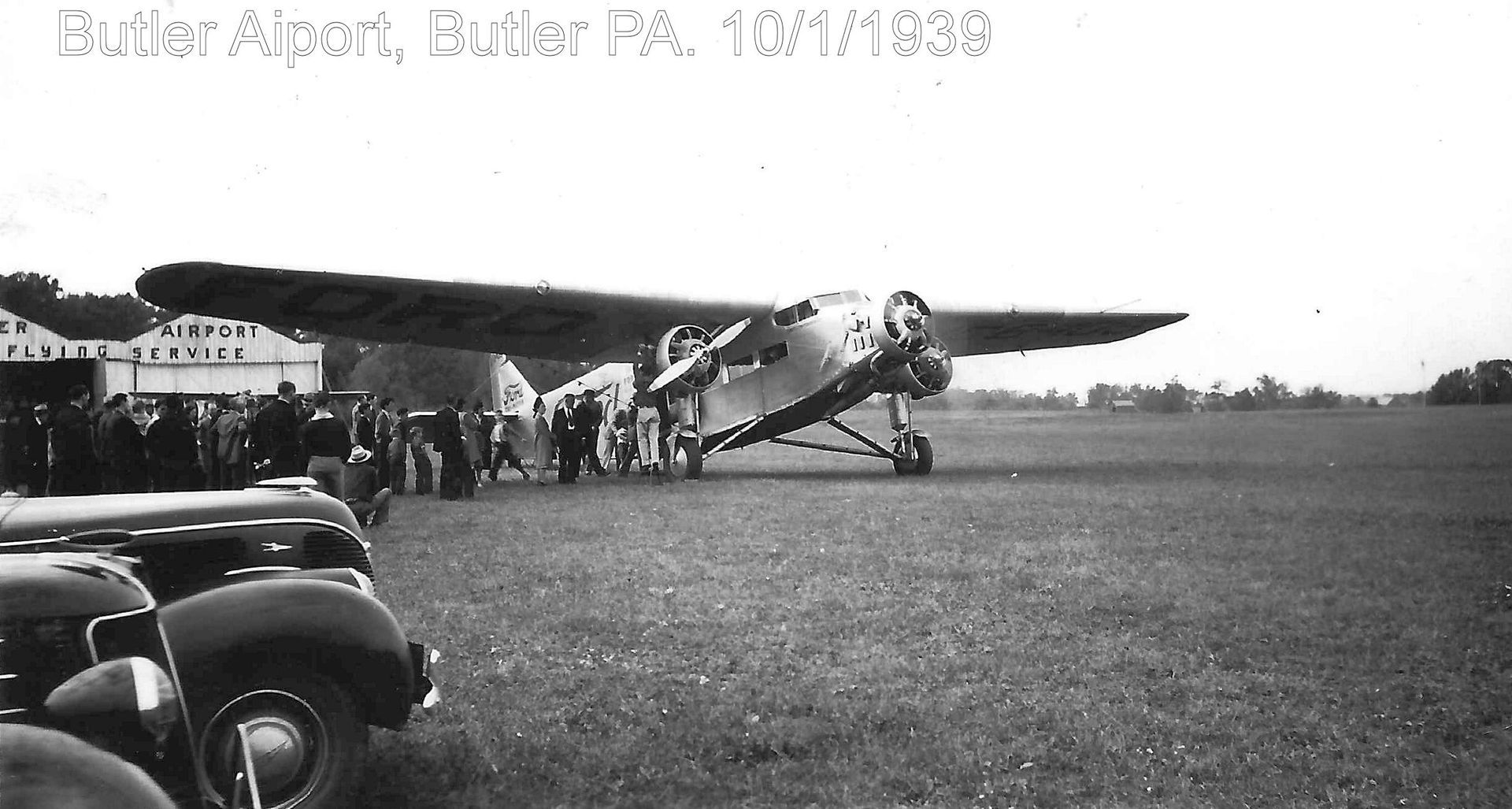
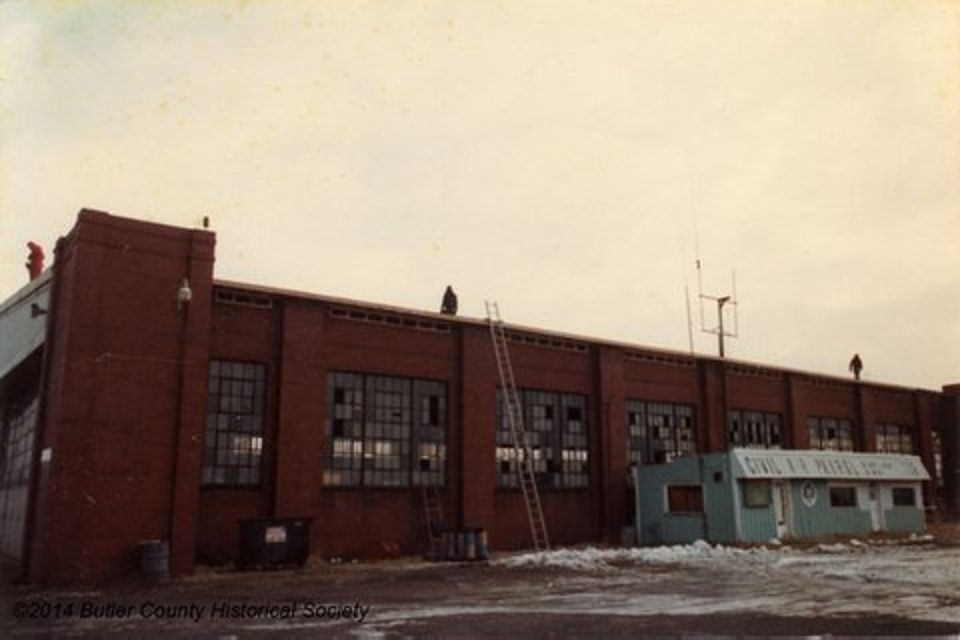
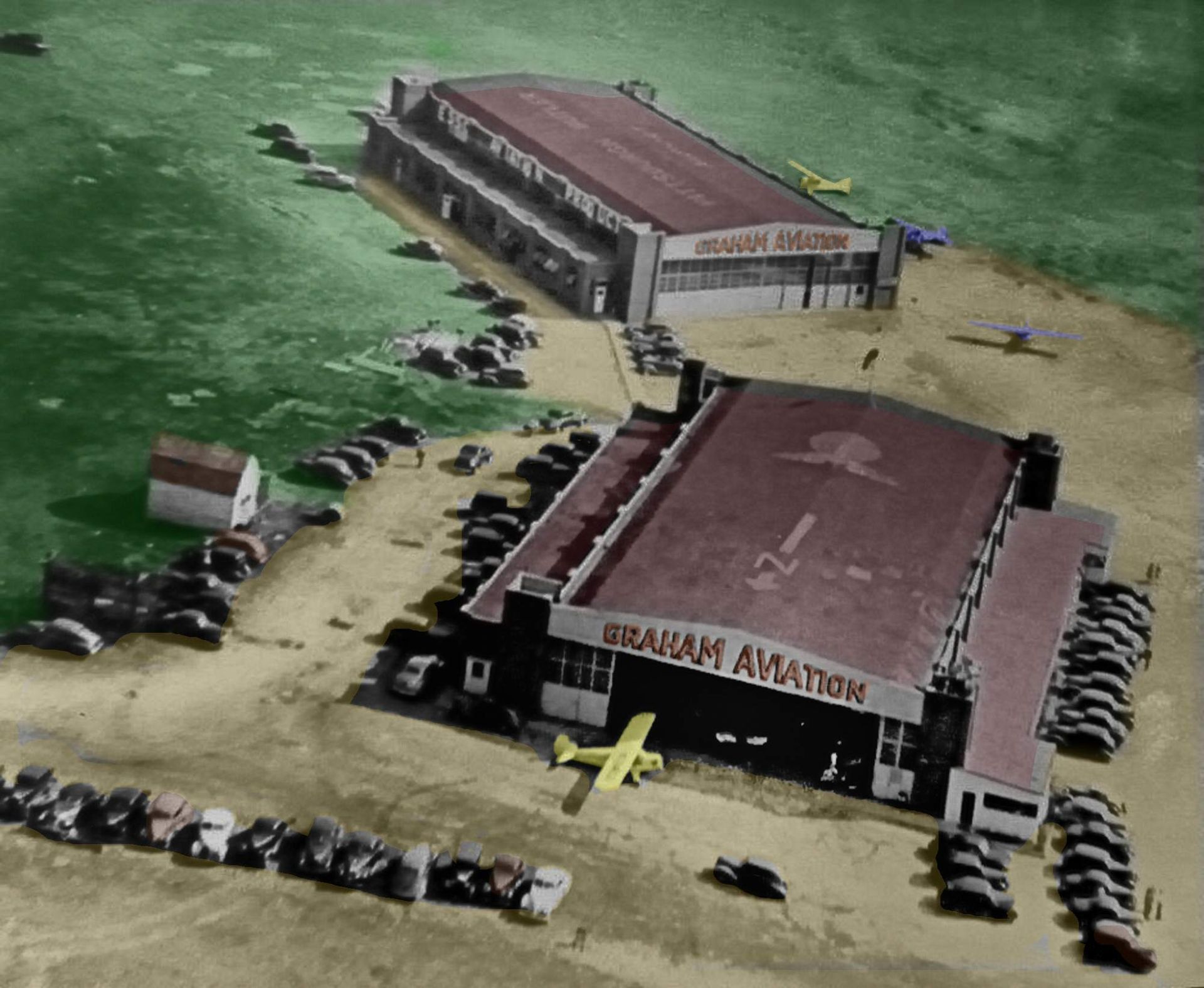
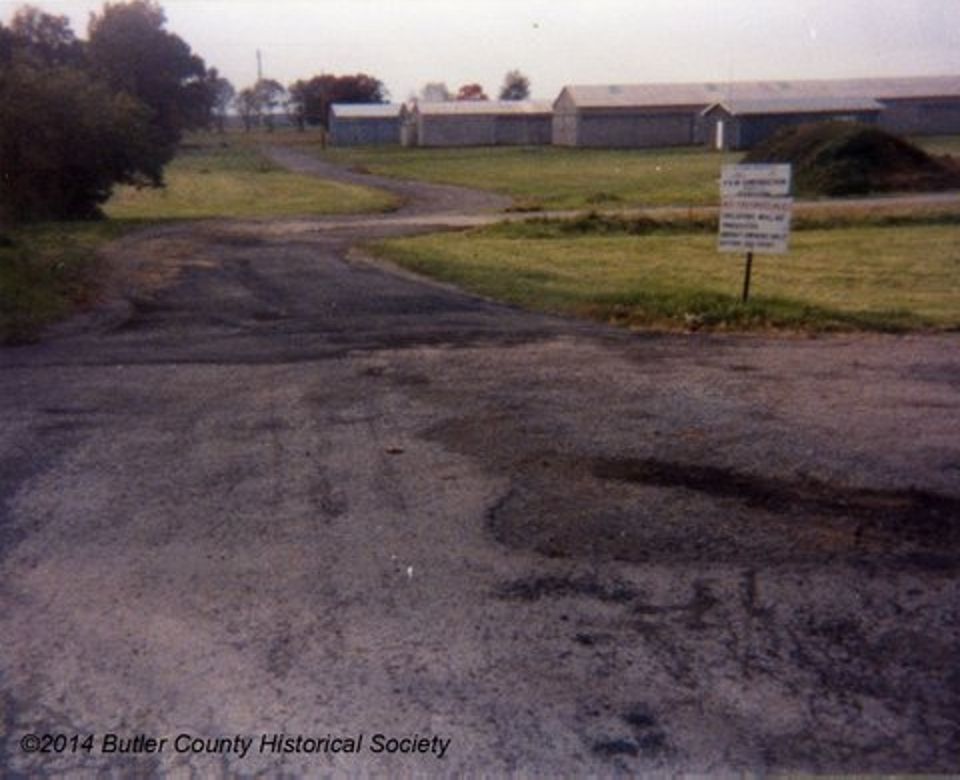
Two hangars and two grass runways were in use at the airport's grand opening in 1929. Those same two hangars are still serving tenants at BTP today.
The 1930s
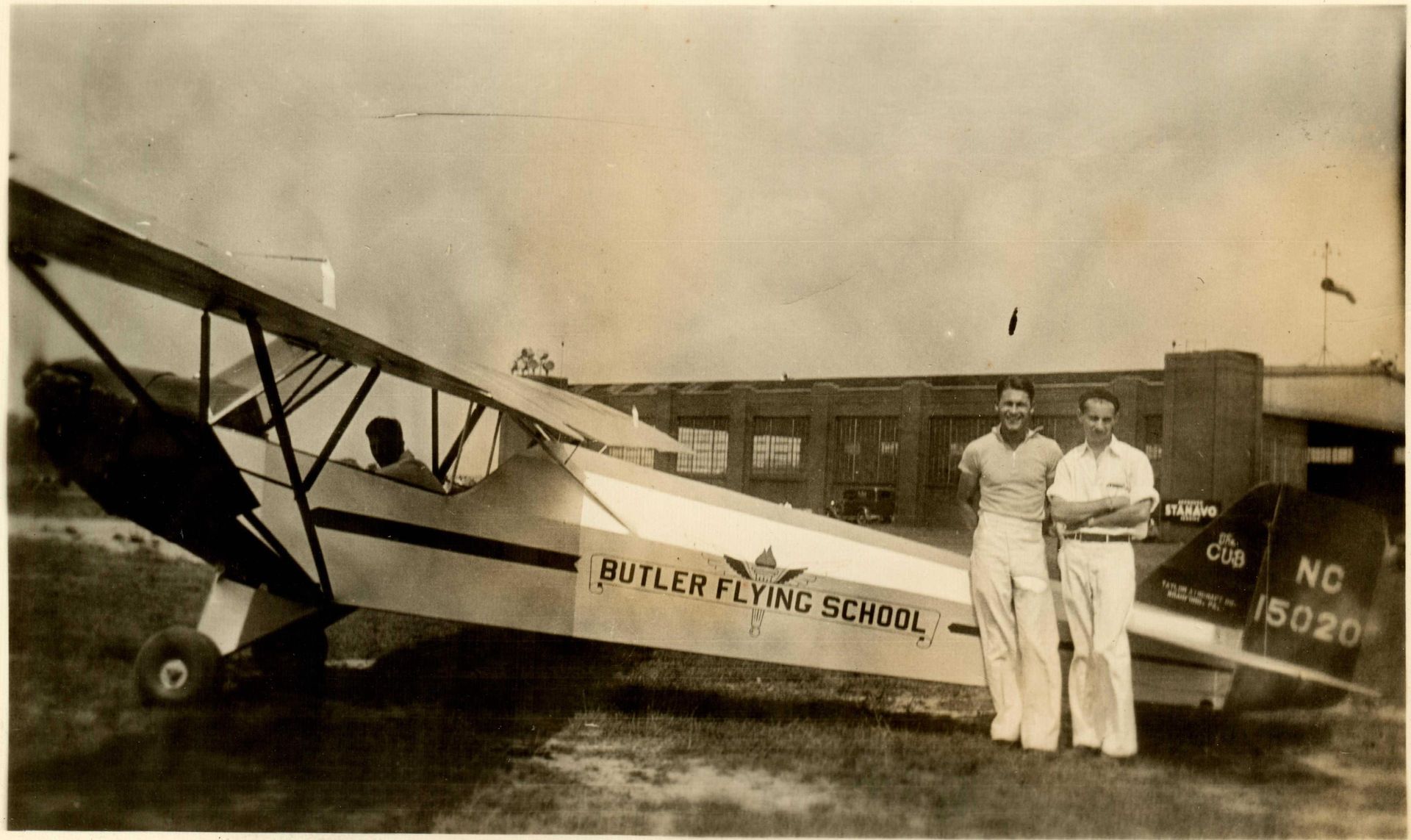
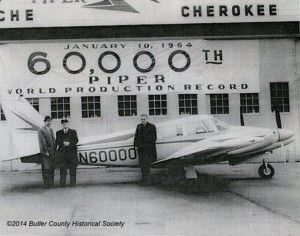
In 1935, C.G. Taylor, one-time partner of William Piper, located his Taylorcraft plant in Butler. Taylor's plant manufactured the venerable Taylorcraft plane, a two-piece, side by side aircraft. The company eventually moved to Ohio and is still building Taylorcraft airplanes today.
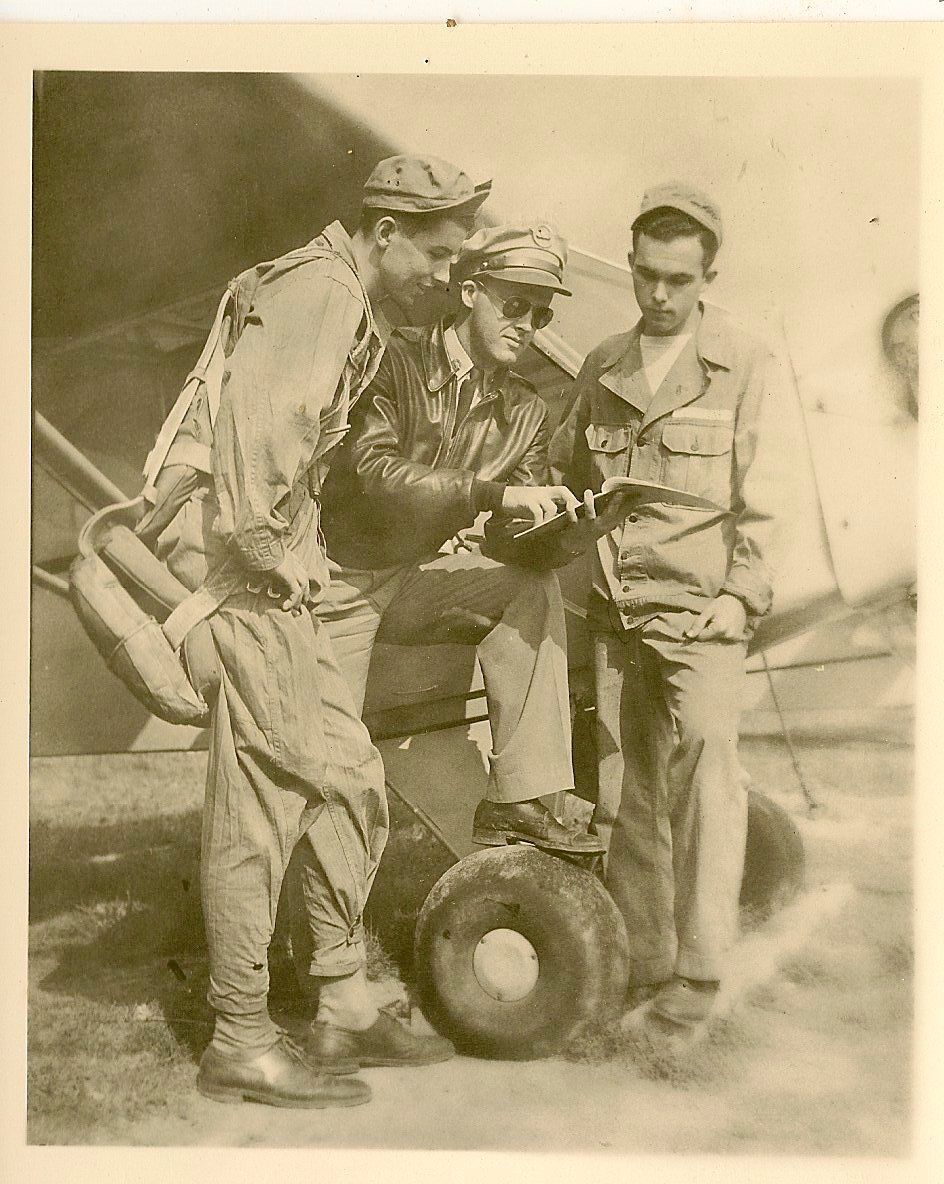
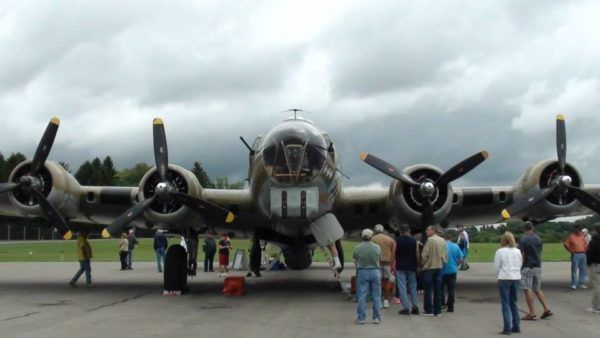
In December of 1944 William J. Graham, a Pittsburgh plumbing contractor who dabbled in aviation, purchased one-half interest in an aviation maintenance school, Pittsburgh Institute of Aeronautics or PIA, in Pittsburgh. He had no idea his aviation hobby, as a private pilot, would take off to such a great degree. In addition to the new aviation school, at Butler he operated training courses for the Civil Aeronautics Authority at the Pittsburgh-Butler Airport and flying went from Mr. Graham's hobby to a serious business serving Uncle Sam. During World War II, the airport served as a military installation, training hundreds of American, Canadian, and British pilots.
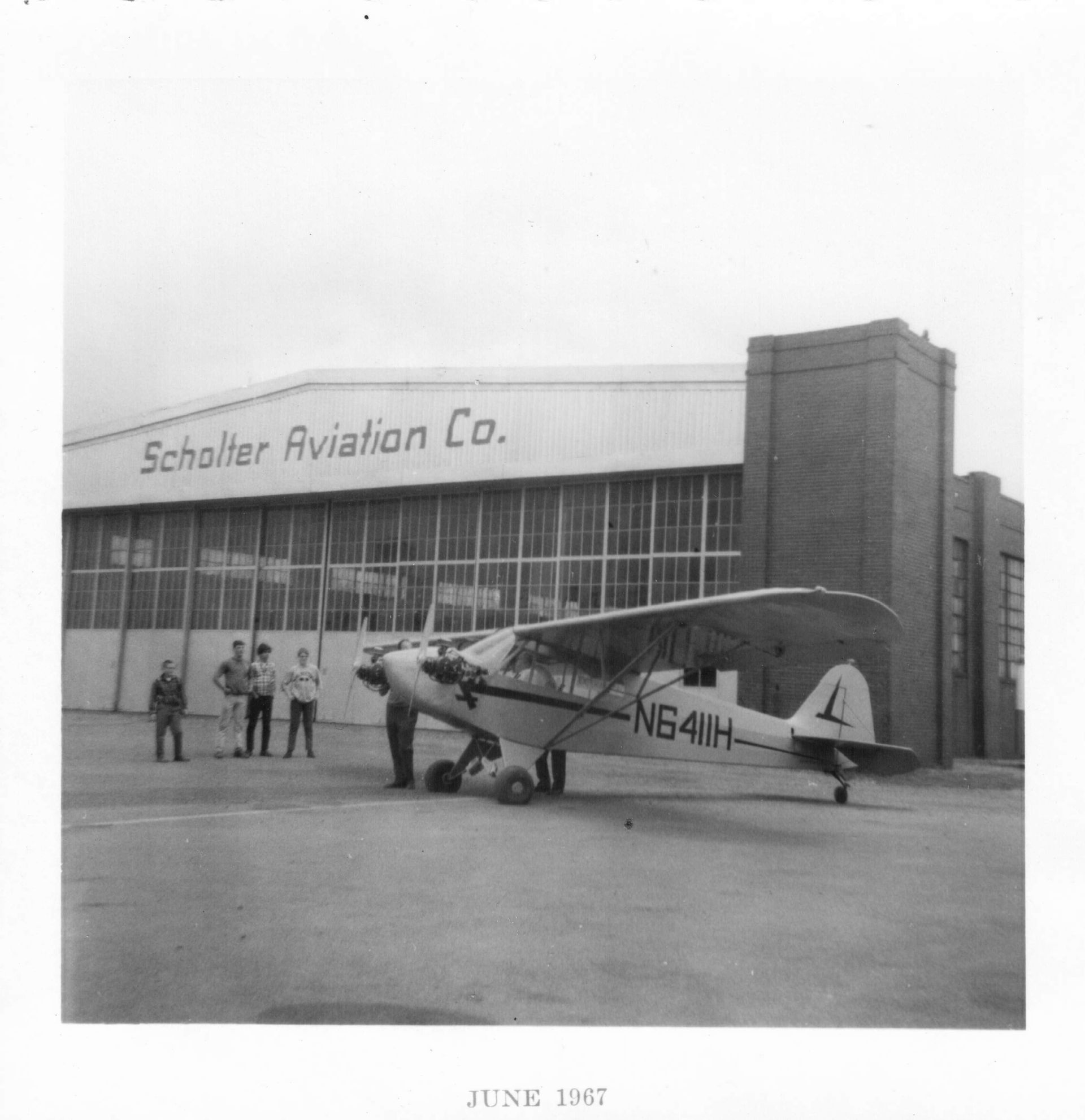
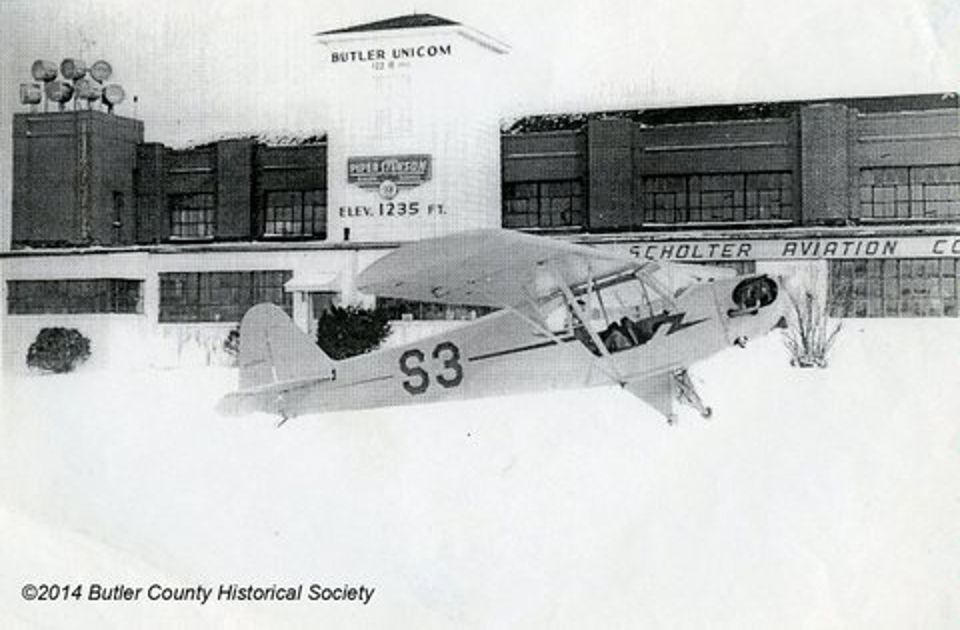
Mr. Graham continued advancing aviation in the northern Pittsburgh and Butler area by renting an auditorium at Allegheny High School and opening a free ground school course. The free classes were held one night a week and instructors included Mr. Kenny Scholter, Harry (Skip) Taylor, Norman Kite, and Karl Litzenberger. The ten-week course boasted 900 eager students. Soon after, civilian pilot training programs were introduced into Pennsylvania college curricula.
Mr. Graham and his son, John Graham, who owned and operated the airport after Mr. William Graham, were recognized as great friends of private pilots. Allegheny County airport concentrated mainly on the needs of the commercial air carriers; BTP was entirely general aviation and it became a mecca for private and sportsman aviators in the Pittsburgh area.
The World War II Era
During World War II, aviation fuel was rationed and Butler County contracted with the federal government in general, and the Army Air Corps in particular, to transition the airport into a cadet primary training facility. Butler was one of the contract schools headed by the Civil Aeronautics Authority – War Training Service (CAA-WTS). Primary pilot training taught the basics of flight in two seat aircraft. Trainees included candidates from America, Canada, the British Isles, and a number of other Allied nations. They were housed in dormitories at Slippery Rock and Grove City colleges and traveled by bus to Butler to receive their training and to practice. Cadets received sixty-five flight hours in trainer airplanes before shipping off to a more advanced training facility. Butler's training facility lasted the duration of the war.
In 1949, air carrier operations were initiated by All-American Airways. Operations ceased after five months because of inadequate facilities which spurred the City and County of Butler to improve the facilities.
The 1950s through the '80s
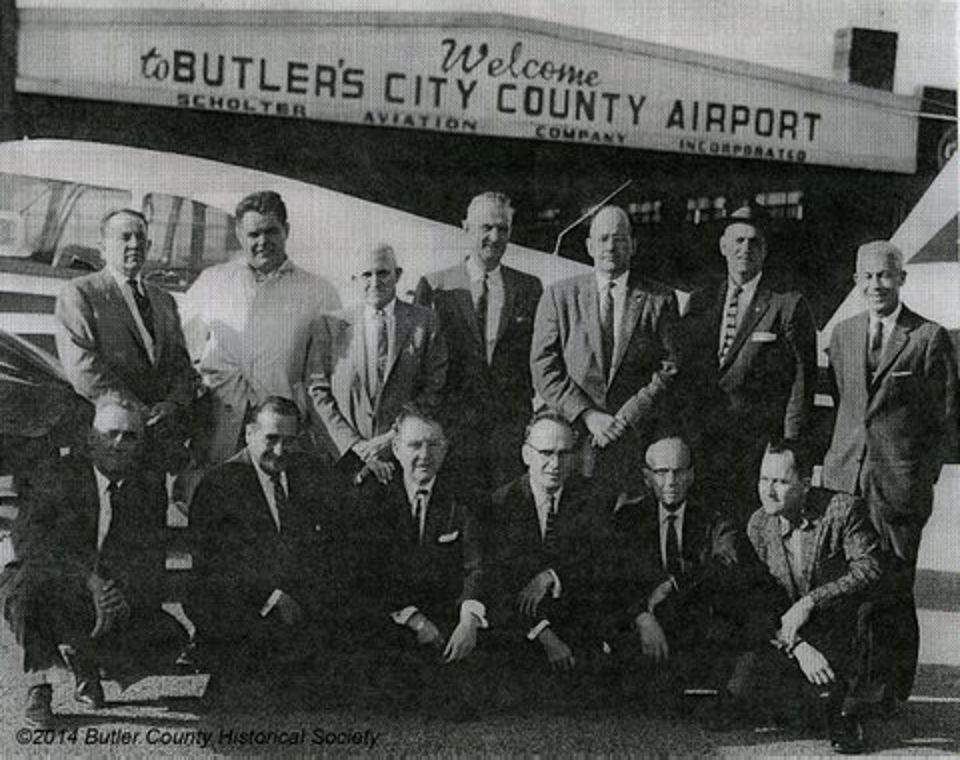
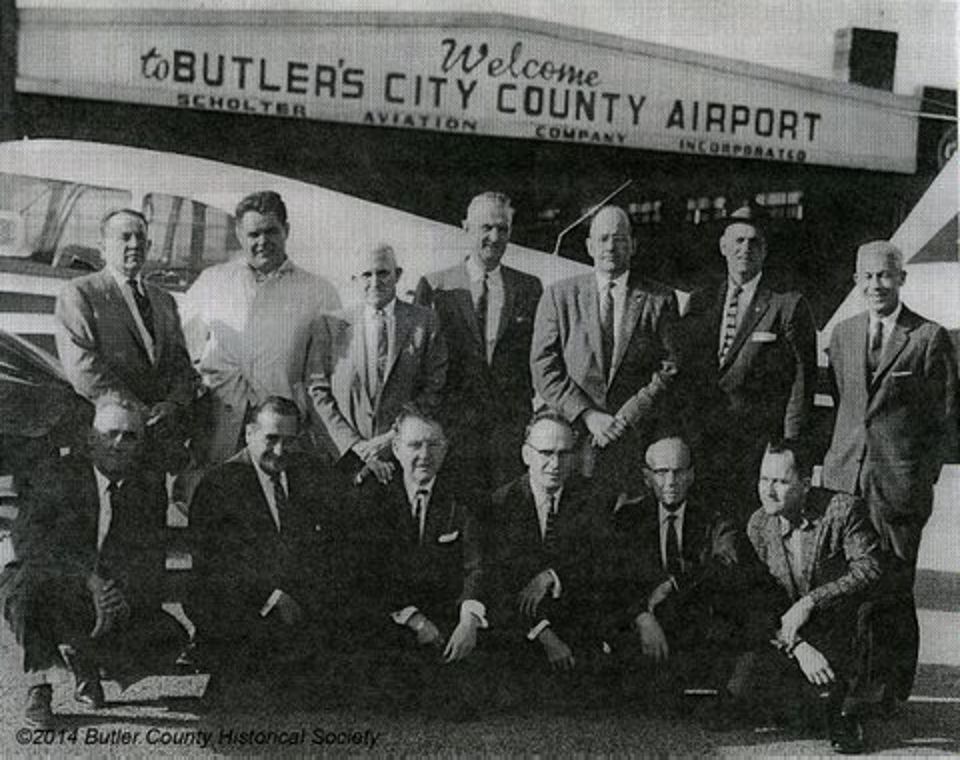
In 1949, the Butler City-County Airport Authority was formed and 86.37 acres of land (not the structures) encompassing the north-south runway were purchased from Mr. Graham. Maintaining the airport and its facilities had become very expensive. A municipal authority had the advantage of being a local government agency that could receive grants from the state and the federal government and had government purchasing and tax benefits. The authority changed the name of the airport to the Butler-Graham Airport.
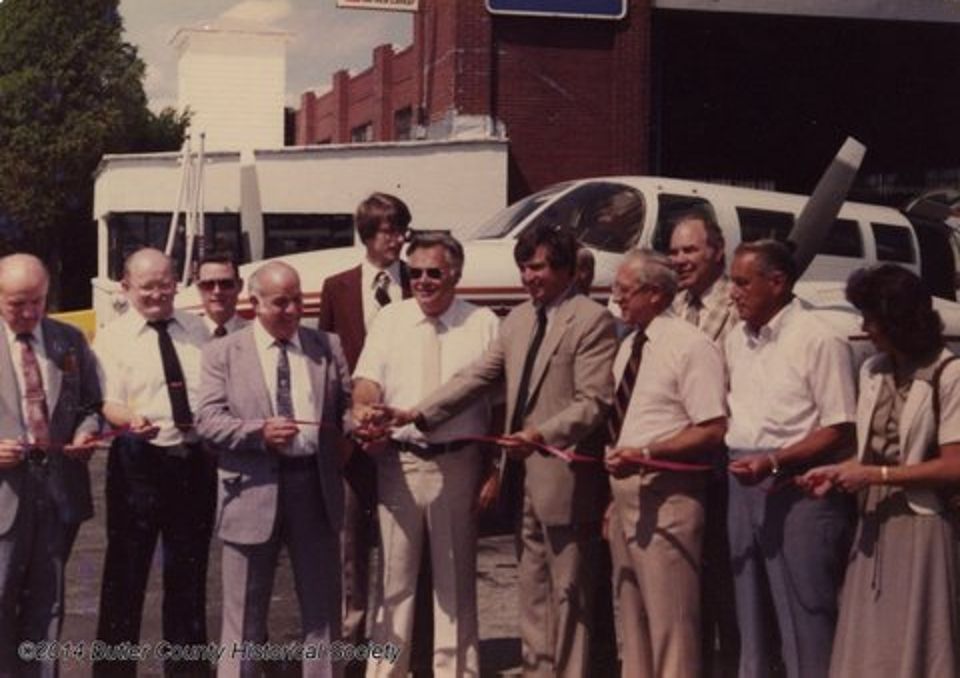
After purchasing the runway tract, the Butler County Airport Authority purchased additional tracks of land from Mr. Graham and Runway 8-26 was paved in 1950 and lit by 1953. In the decades following, the name of the authority was changed to the Butler County Airport Authority, the airport reaches 30,200 operations in 1970, all airport structures were purchased by the authority in the mid-1970s, the tiedown apron was constructed in 1978, the full parallel taxiway to Runway 8-26 was constructed in 1978, the airport's name was changed to Butler County Airport in 1981, the ILS was installed in 1982, and the runway was grooved in 1983. By 1980, the airfield as it stands now was completely owned by the airport authority.
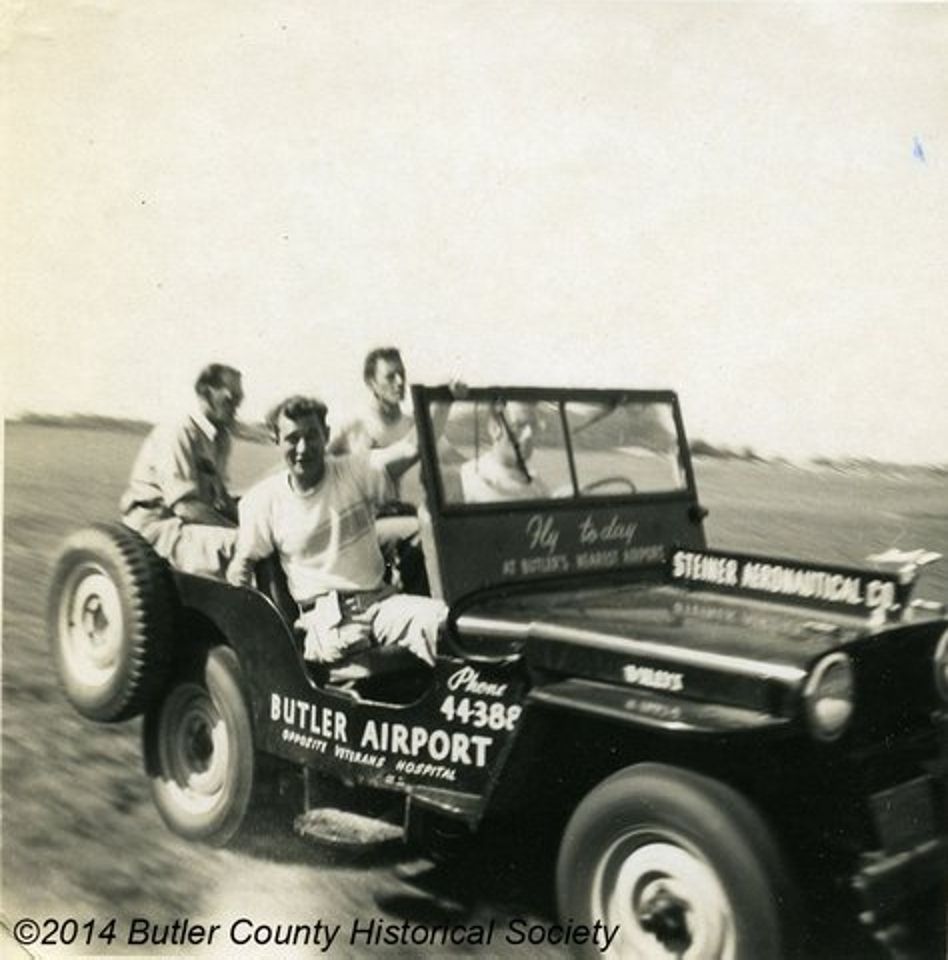
At first, Beaver Aviation ran the facility for the Butler County Airport Authority. Mr. Don Bailey managed Beaver’s fixed base operation at Butler County until Beaver Aviation moved on. He then stayed on at BTP as the authority's Airport Manager until his retirement in September of 2008. Today, the same authority, Butler County Airport Authority, maintains and operates the Pittsburgh-Butler Regional Airport.
The Airport Today
Today, the Butler County Airport Authority operates the facility itself and AirQuest Aviation is BTP's Field Based Operator. Ike Kelly served and now Stephanie L. Saracco, serves as Airport Manager. The airport authority has worked continuously to advance aviation in the northern Pittsburgh and Butler region, to maintain airport assets, and to grow its services and facilities in keeping with the growth of the aviation industry in our area. In 2025, BTP hosted over 90,000 flight operations. It is now the fifth busiest airport in Pennsylvania.